
Cybersecurity Branding Agency
Why a threat statistic does not establish a product
We brand cybersecurity companies. Thousands of vendors, one exhausted buyer, and a category that has trained its own market to discount everything. A CISO with forty tools already has heard every threat statistic you were planning to open with.
What a cybersecurity branding agency does
A cybersecurity branding agency positions and explains cybersecurity, data protection and privacy technology companies so technical and financial buyers can judge the purchase rather than the demonstration. Everything Deep Tech builds category and positioning, naming, narrative, identity, messaging and brand book.
| Best for | Cybersecurity, data protection and privacy technology companies. |
|---|---|
| What goes wrong | A threat statistic proves a market. It does not prove a product. |
| What you get | Category and positioning, naming, narrative, identity, messaging, brand book. Where you sit against the platforms, the point tools and the buyer’s desire to own fewer things. |
| Timeline | 9–16 weeks from kickoff to a finished brand system. Fixed scope, fixed timeline, one price. |
| Readers held in one brand | the analyst who needs signal, the board who needs a sentence. |
| Category | Platform, point solution or service. The label decides whether you are a purchase or a line item in someone else’s renewal. |
A threat statistic proves a market. It does not prove a product.
Five reasons a studio that does good work for software brands produces something thin for a cybersecurity company.
- →The register is exhausted. Fear-led marketing has been the category default for twenty years. Buyers have developed complete immunity, and using it now signals that you have nothing else.
- →Efficacy is never published. Detection rates and false positive numbers are the entire question and almost nobody prints them. The vendor who does is immediately more credible than the vendor who does not.
- →Tool fatigue is real. Your buyer runs forty products and is trying to reduce that number. A brand that ignores consolidation pressure is arguing against its own buyer.
- →Two readers, opposite altitude. The analyst wants signal quality and integration. The board wants risk reduction in one sentence. Most sites serve one and lose the other.
- →Consolidation outruns brands. Acquisition and bundling reshape this category constantly. A brand built around a single product breaks when it becomes a module.
Positioning first, identity second.
Category and positioning
Where you sit against the platforms, the point tools and the buyer’s desire to own fewer things.
Naming
Company, platform and module. A system that survives consolidation in either direction.
Narrative
Threat model, mechanism and outcome, written so an analyst nods and a board follows.
Identity
A system that survives a SOC dashboard, a conference booth, a compliance pack and a recruiting post.
Messaging
Per audience: analysts, security engineers, CISOs, procurement and the board.
Brand book
Rules tight enough to hold when your team applies them without us.
The translation is the product everyone else is missing.
Weeks from kickoff to a finished brand system. Fixed scope, fixed timeline, one price.
Engineers across strategy, 3D, delivery and the build. The person writing your detection story can read the architecture.
Readers held in one brand: the analyst who needs signal, the board who needs a sentence.
Positioning decides what the brand claims. The website is where a specialist decides whether to believe it.
Cybersecurity branding questions, from founders.
Can we differentiate without fear-based messaging?
You differentiate better without it. The category default has been fear for two decades, which is precisely why calm specificity now stands out to the only buyer who matters.
Should we publish efficacy numbers?
Where you can defend them, yes. Almost nobody does, so the vendor who prints a false positive rate with its conditions is instantly more credible than the one making an unquantified claim.
What does it cost?
Fixed scope and fixed timeline, quoted after the 30-minute call. Never a day rate and never an open-ended retainer.
How long does it take?
Nine to sixteen weeks for positioning, narrative, identity and brand book. Fixed scope, fixed timeline, one price.
Do you sign NDAs before seeing the technology?
Yes, and it is the normal starting point. Most of what makes a deep tech company defensible is unpublished.
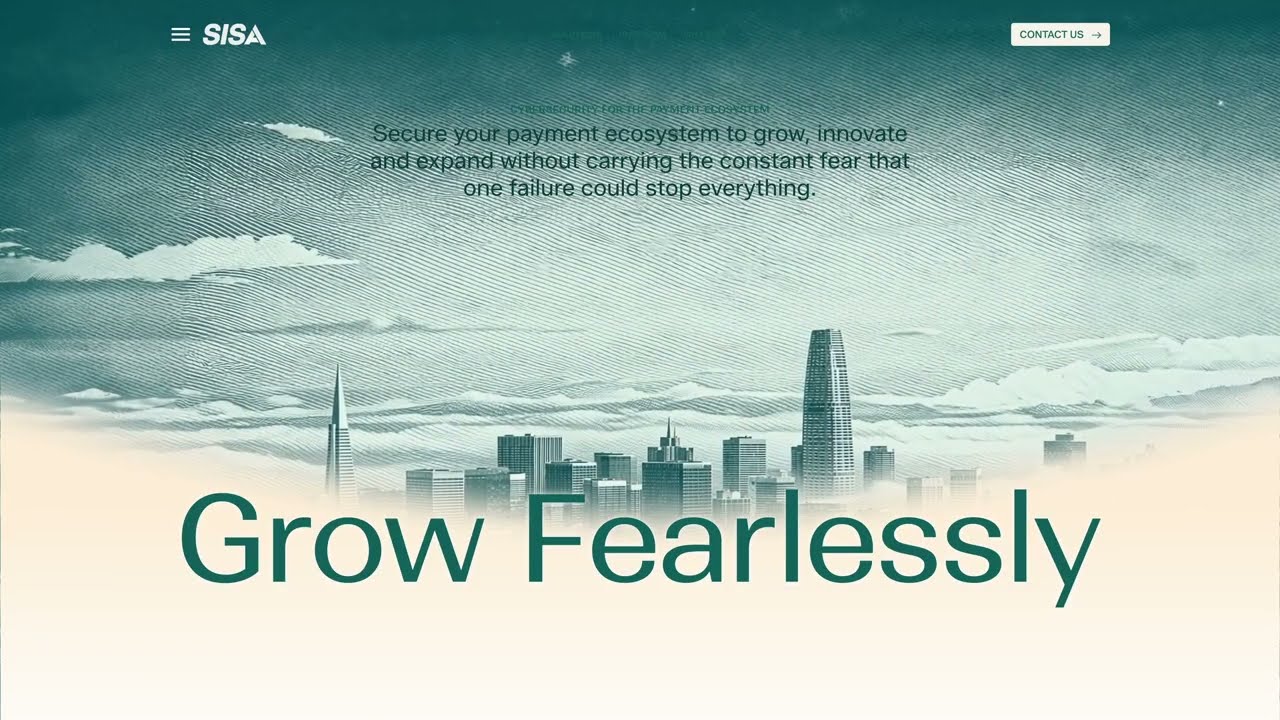
Four cybersecurity brands, not one: SISA, on AI-powered payment security, Lumora Security, for the UAE market, Fortuna Identity, on identity security and Fortuna Cysec, on enterprise cybersecurity.
Send us your efficacy data and your competitive losses.
Thirty minutes, no deck. We will tell you which category you are being read into, which part of your advantage is invisible on the page, and what we would change first.
Book a 30-minute audit →